


Get to know your glass
Home > Get To Know Your Glass
LANE DEPARTURE DETECTION
Lane departure warning systems use cameras or sensors to monitor lane markings on the road. If the vehicle begins to drift out of its lane unintentionally without the turn signal activated, the system will alert the driver with a visual, audible, or haptic warning, allowing them to correct the vehicle's path and avoid unintended lane departures.
Rain Sensor
Rain sensors are typically located behind the rearview mirror near the top of the windshield, appearing as a small, circular black area on the glass. They contain an infrared LED that beams light onto the windshield. When water droplets are present, they scatter this infrared light. By measuring the scattered light intensity, the rain sensor detects precipitation levels and automatically adjusts the wiper speed accordingly
HUMIDITY SENSOR
Humidity sensors detect moisture levels inside the vehicle cabin to help prevent windshield fogging. Located near the rearview mirror, these sensors contain materials that change capacitance as humidity fluctuates. When high humidity is detected, the sensor signals the climate system to increase defroster airflow across the windshield glass, clearing condensation from the driver's view.
HEADS-UP DISPLAY
Heads-up displays project driving data like speed and navigation onto the windshield in the driver's line of sight. This allows viewing critical information while keeping eyes on the road. HUD systems use specialized windshield glass treatments and optics to generate a visible image that appears to float in front of the vehicle. By reducing eye movements to the instrument cluster, heads-up displays can increase response times and safety.
HEATED WIPERS
Heated wiper systems help maintain clear visibility in winter weather. Built-in heating elements warm the wiper blades as they move across the glass, melting away ice and light snow buildup. This prevents the blades from freezing to the windshield or becoming ineffective due to ice accumulation. Heated wipers allow for better clearing of snow, ice, and frost for safer winter driving.
Get Smart About Your Car's Glass
Modern vehicles are equipped with a variety of advanced glass technologies to enhance safety, visibility, and convenience. From lane departure warning systems that alert you if you drift from your lane, to rain sensors that automatically adjust wiper speed based on precipitation levels, today's windshields integrate cutting-edge features. Other common glass accessories include humidity sensors to optimize defrosting, heads-up displays that project vital information onto the windshield, and heated wiper systems for improved winter driving visibility. Understanding these innovations can help you get the most out of your vehicle's glass components.
.jpg)
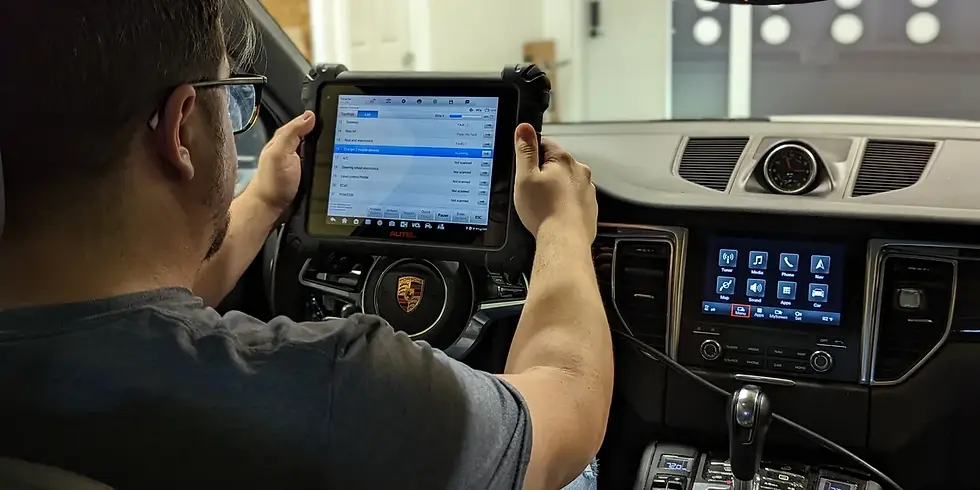
ADAS
ADAS, or Advanced Driver Assistance Systems, encompasses features designed to enhance vehicle safety and driving convenience. Key functionalities include pre-collision systems, which automatically apply brakes when the vehicle is too close to another car, and lane-keeping assist, which subtly adjusts the steering to help maintain lane position. These systems rely on a combination of cameras, radar, and sensors strategically placed around the vehicle.
For instance, front radar is utilized for adaptive cruise control, while rear and front bumper sensors alert drivers when they are too close to another vehicle, displaying warnings on the dashboard. It's important to note that these systems often require recalibration, especially after windshield replacements, as the camera mounted on the windshield needs to be realigned for optimal performance.